

How Long Does Dysport Take to Work?
Medically reviewed by Priya Patel, PA-C
You got Dysport on Tuesday. It’s Thursday morning, and now you’re standing in front of the bathroom mirror making the hardest frown possible.
Nothing? Maybe a little something? Is that line softer, or are you just convincing yourself it is?
This is the part nobody loves: waiting.
So, how long does Dysport take to work? Faster than you might expect, but not overnight. Dysport needs time to interrupt the signals between your nerves and the muscles that create expression lines. The change builds rather than appearing all at once.
The quick answer: Many people notice early softening within 2–3 days, with full results at around 2 weeks. Results can last up to about 4 months.
If you have an event coming up or you’re simply wondering when you can stop inspecting your forehead every six hours, here’s what happens after your appointment, what can affect your results, and what’s actually worth doing while you wait.
What Dysport Is Doing Under Your Skin
Dysport is the brand name for abobotulinumtoxinA, a type of botulinum toxin A.
Normally, your nerves send signals that tell specific facial muscles to contract. Those repeated contractions are what create dynamic lines when you frown, squint, smile, or raise your eyebrows.
Dysport temporarily reduces that communication.
Once injected into a targeted muscle, it interferes with the release of the chemical signal responsible for muscle contraction. The treated muscle can’t contract as strongly, so the skin above it doesn’t fold as deeply with expression.
That’s also why your face doesn’t suddenly change the second the needle comes out. The medication has to take effect at the nerve endings first, and that process takes some time.
In the U.S., Dysport is FDA-approved cosmetically for the temporary improvement of moderate to severe glabellar lines, better known as the vertical frown lines between your eyebrows. Providers may also use botulinum toxin products in other facial areas when clinically appropriate, but those uses can be off-label.
Now that the science part is out of the way, let’s get to what you’re probably here for: when you’ll actually notice it.
How Long Does Dysport Take to Work? A Day-by-Day Timeline
Everyone responds a little differently, so think of this as a general guide rather than a countdown timer.
The First 24 Hours
You leave your appointment, look in the mirror and… pretty much look the same. That’s completely expected.
You may see tiny raised bumps where the injections were placed, along with mild redness, tenderness, or occasional bruising. Injection-site reactions are usually temporary.
What you probably won’t see yet is a meaningful change in your movement.
So don’t spend Tuesday night testing your frown every ten minutes. Dysport hasn’t failed. It has barely gotten started.
Days 2–3
This is when some people begin noticing the first signs that something is happening.
Interestingly, you may feel the change before you really see it.
Maybe you try to make your usual deep frown and it takes a little more effort. Maybe your eyebrows don’t pull together quite as strongly. The lines themselves may not look dramatically different yet, but the muscle movement underneath them can begin changing.
Other people won’t notice much at this point, and that doesn’t mean the treatment isn’t working.
Days 4–7
By the end of the first week, the difference may become easier to spot.
The treated muscles aren’t contracting as strongly, so expression lines can begin looking softer when you frown or move your face. Depending on your treatment plan, you may still have movement. In fact, maintaining some natural expression may be exactly what you and your injector planned.
This is usually when first-timers stop wondering whether anything happened, but it’s still a little early to decide whether you need more.
Days 10–14
Around the two-week point is a practical time to assess the overall result.
Look at your face normally rather than hunting for microscopic differences three inches from a magnifying mirror. Check your movement, symmetry, and how the treated lines look when your face is both moving and relaxed.
If your provider schedules follow-ups, this is also around the point when they can assess your response and determine whether anything needs adjusting.
Dysport vs. Botox: Which One Kicks In Faster?
You’ll hear this one everywhere: “Dysport works faster than Botox.”
But the truth isn’t so black and white.
Both Dysport and Botox Cosmetic are botulinum toxin type A products, and both can begin producing visible changes within the first several days. Some comparative studies have reported earlier or stronger early improvement with Dysport in certain treatment areas, while other research hasn’t shown a meaningful onset advantage.
So we wouldn’t choose between them based on a race to Day 2.
There are other differences your injector considers, including formulation, dosing, the area being treated, your anatomy, and the result you’re trying to achieve.
One particularly important point: Dysport and Botox units are not interchangeable.
Seeing a larger number of Dysport units on a treatment plan doesn’t mean you’re receiving “more Botox.” They’re different formulations with their own dosing systems, so the unit counts shouldn’t be compared one-to-one.
If timing matters because you have something important coming up, mention it during your consultation. But choosing the right product and treatment plan for your face matters more than shaving a day off the onset.
Why Your Results Might Show Up Sooner (or Later)
Ask five friends how long does Dysport take to work and you might get five slightly different answers. That’s because you’re not treating five identical faces.
Muscle Strength
Some people have seriously committed frown muscles.
If you naturally make strong expressions or have more prominent muscle activity in a treatment area, your provider takes that into account when planning your injections.
The amount of movement you start with can also change how quickly you perceive the result. Someone who constantly notices a deep crease between their brows may experience the treatment differently from someone treating very subtle movement.
Dose and Placement
With neuromodulators, where the product goes matters just as much as how much is used.
Your provider chooses injection sites and doses based on your muscle activity and anatomy. Too little product may not produce the degree of relaxation you wanted, while inappropriate placement can affect the result in entirely different ways.
This is why your friend’s unit count doesn’t tell you much about what you’ll need. Your face, muscle strength, and treatment goals all factor into the plan.
Your First Appointment vs. Regular Treatments
Some longtime neuromodulator patients report that their treatments seem to behave differently after they’ve been doing them for a while.
There are several possible reasons for that experience, including changes in muscle activity with repeated treatment, but it isn’t a guarantee that your fifth appointment will suddenly work faster than your first.
What regular appointments can give you is a better understanding of your own pattern. After a few treatments, you and your provider have more information about how you respond, how long your results tend to last, and what dosing works for you.
Your Individual Response
Bodies aren’t standardized. Two people can receive appropriately planned treatment and still experience slightly different onset and duration. There’s no reason to use someone else’s Day 3 result as a benchmark for your own. Your provider is looking at how your muscles respond, not whether you’re keeping pace with somebody else.
Can You Make Dysport Work Faster?
There isn’t a proven hack that can take Dysport from freshly injected to fully settled by dinner. What you can do is take care of the treatment area and avoid doing anything that could unnecessarily interfere with it.
What Actually Helps
Aftercare recommendations can vary between providers, but common advice may include:
- Staying upright for a few hours after treatment
- Avoiding rubbing, massaging, or putting unnecessary pressure on the treated areas
- Skipping intense workouts for the rest of the day
The evidence behind some traditional post-injection restrictions is limited, so your injector’s instructions should always come first. If they give you a different timeline based on your treatment, follow that rather than a generic checklist you found online.
The bigger point: your injector placed the product precisely, so there’s no need to push, rub, or otherwise “help” it along.
Plan Other Facial Treatments Around It
This matters at The Pimple Place because injectables may not be the only thing on your skin calendar.
Getting an acne facial? Planning a peel? Due for extractions?
Let your provider know what else you have scheduled so treatments can be spaced appropriately. You don’t necessarily have to choose between working on your breakouts and working on your expression lines. You just need a treatment schedule that makes sense.
What About Zinc?
Zinc gets a surprising amount of attention online as a way to make botulinum toxin treatments work better.
The conversation comes partly from a small randomized pilot study that found participants taking a zinc-and-phytase supplement reported greater treatment effect and longer duration. Later research has continued exploring whether zinc status could influence botulinum toxin response.
But the evidence is still limited, and that’s nowhere near enough reason to start high-dose supplements on your own.
Zinc can cause side effects and interact with other medications and nutrients. If you’re considering a supplement, ask your healthcare provider whether you actually need it first.
It’s Been Two Weeks and You Don’t See Much. Now What?
If you’ve reached the two-week mark and your result still seems lighter than expected, contact your provider.
Sometimes the initial plan was intentionally conservative, especially if you’re new to injectables and your provider wanted to see how your muscles responded before doing more. Strong muscle activity and individual response can also affect the final result.
This is exactly what a follow-up is for.
Your injector can watch your facial movement, compare it with your baseline, and decide whether an adjustment is appropriate. If one side has more movement than the other, they can assess that too.
Rarely, people may have a reduced response to a particular botulinum toxin treatment. True resistance can occur, including through neutralizing antibodies, but that’s not something to diagnose yourself because you still have more movement than you expected.
Let your provider take a look before assuming Dysport simply doesn’t work for you.
How Long Dysport Lasts (and How to Get More Out of It)
Dysport is temporary. For its FDA-approved cosmetic use in glabellar lines, clinical studies have demonstrated improvement lasting for up to about four months. Your individual experience may be shorter or longer.
The effect usually fades gradually. You might notice your frown getting stronger again or a familiar expression line becoming easier to make. That’s your cue that it may be time to start thinking about another appointment.
A consistent treatment schedule can help you avoid repeatedly going from fully treated back to baseline, but more frequent isn’t automatically better. Your provider should determine appropriate treatment intervals for you.
And don’t forget the skin sitting on top of those muscles.
Daily sunscreen and a skincare routine suited to your skin can help address texture, pigment, acne, and sun damage that Dysport isn’t designed to treat. Neuromodulators and good skincare have different jobs, and your skin usually looks its best when you don’t expect one to do both.
Dysport FAQs
How long does Dysport take to work on forehead lines vs. crow’s feet?
Most people see a similar pattern in any treated area: early softening within a few days and full results at around two weeks. Some areas may settle a little sooner or later depending on the muscles involved and your dose. Keep in mind that Dysport’s U.S. cosmetic FDA approval is specifically for glabellar lines, so treatment of other facial areas is an off-label use your provider should discuss with you.
Can I wear makeup after Dysport?
Your provider may allow makeup after a short period, but follow the instructions you’re given at your appointment. When you do apply it, be gentle around the injection sites rather than rubbing or pressing aggressively.
Is it normal for one side to kick in before the other?
Small differences can show up while the treatment is taking effect, so early asymmetry doesn’t automatically mean something went wrong. If one side still looks noticeably different around the two-week mark, check in with your provider.
When should I book Dysport before a big event?
Give yourself at least two to three weeks rather than booking a couple of days before the event. That leaves time for the full result to develop and for your provider to assess whether anything needs adjusting before the wedding, vacation, photoshoot, or whatever’s about to fill your camera roll.
Give It a Minute
So, how long does Dysport take to work? Give it a few days to start doing its thing and about two weeks to show you what it can really do.
The hardest part may genuinely be leaving it alone long enough to get there.
Good treatment starts with the right dose and placement for your facial movement, followed by a little patience and the aftercare your injector recommends. No frantic mirror checks required.
Thinking about Dysport? Book a consultation with The Pimple Place team in Santa Monica to talk through your goals, facial movement, and the kind of result you’re looking for.


Dermaplaning Benefits: What It Can Do for Your Skin
Your skincare is doing its job, but your face still looks a little dull. Foundation is catching on tiny hairs. And somehow the peach fuzz you never think about becomes the only thing you can see the second sunlight hits your face.
This is where dermaplaning benefits become pretty easy to understand.
Dermaplaning removes dead skin buildup and fine facial hair in the same treatment, leaving the surface of your skin noticeably smoother almost immediately. There’s no complicated recovery period or waiting weeks to see whether anything happened.
But smoother skin is only part of the appeal. Here’s what dermaplaning can actually do, who it works best for, and what you should know before booking your first appointment.
What Is Dermaplaning?
Dermaplaning is a form of physical exfoliation performed with a sterile surgical blade.
Your provider gently moves the blade across the surface of your skin to remove accumulated dead skin cells and vellus hair, aka peach fuzz. The treatment stays superficial, so it isn't cutting into healthy skin or trying to resurface deeper layers.
Simple concept. Very satisfying result.
The Real Dermaplaning Benefits You'll Notice
Instantly Smoother Skin
You don't necessarily realize how much dead skin is sitting on the surface until it isn't there anymore.
That buildup can make your face feel rough or uneven, particularly around areas that tend to get dry. Dermaplaning lifts it away, leaving behind a noticeably smoother surface.
And unlike treatments that rely on gradual collagen production, you don't have to wait several weeks for this particular payoff. You'll feel the difference right away.
A Brighter, More Even-Looking Complexion
Dullness doesn't always mean something is wrong with your skin. Sometimes there's simply a layer of dead skin cells keeping fresh skin underneath from looking its best.
Removing that buildup can make your complexion appear brighter and more refreshed. Light also reflects more evenly from a smoother surface, which helps create that fresh-skin finish without needing to manufacture it with highlighter.
Dermaplaning won't erase deeper pigmentation or fundamentally change your skin tone. What it can do is take away some of the surface-level dullness that's getting in the way.
Peach Fuzz, Gone
For something so tiny, peach fuzz can be surprisingly noticeable.
Vellus hair is completely normal, but if you don't like how it looks or feels, dermaplaning removes it right along with the dead skin.
And no, it won't come back as a beard.
Removing vellus hair at the surface doesn't change the follicle underneath, so dermaplaning cannot make your facial hair grow back thicker or darker. It simply grows back as it did before.
Skincare Applies More Smoothly
Once dead skin and peach fuzz are out of the way, applying skincare can feel different too.
Serums, moisturizers, and other products have a smoother surface to spread across instead of catching on flaky areas or fine facial hair. That can make your routine feel a little more seamless, particularly if dryness or uneven texture has been an issue.
Think better canvas, not magically supercharged skincare.
Makeup Goes On Smoother
Foundation has a special talent for finding texture you didn't even know was there.
It can cling to dry patches, collect around peach fuzz, or make an otherwise tiny bit of surface texture suddenly look much more obvious.
Dermaplaning gives makeup a smoother base to sit on, which can help foundation and concealer look more even and less cakey. Of all the dermaplaning benefits, this may be one of the easiest to appreciate the next time you do your makeup.
Who Should (and Shouldn't) Try Dermaplaning?
Dermaplaning can work well for many skin types, especially if your main concerns are:
- Dullness
- Rough or flaky surface texture
- Peach fuzz
- Makeup sitting unevenly
- Wanting gentle physical exfoliation
Where things get a little more complicated is active acne.
Running a blade over inflamed breakouts isn't doing your skin any favors. If you're dealing with active pimples, the priority is getting the inflammation under control first, then bringing dermaplaning into the picture when your skin is in a better place for it.
That doesn't mean anyone who gets acne has to skip dermaplaning forever. Once your breakouts are controlled, we can take a look at your skin and decide whether it makes sense.
Active cold sores, open wounds, significant irritation, or certain inflammatory skin conditions can also mean pressing pause until your skin has settled.
When in doubt, we'd rather look at your skin first than find out halfway through a treatment that today wasn't the day.
What to Expect During and After Dermaplaning
Dermaplaning itself is pretty straightforward.
Your skin is cleansed and dried before your provider carefully works across the face with a sterile blade. You'll probably feel light scraping against the skin, but the treatment shouldn't be painful.
Once you're finished, your skin should immediately feel smoother. You may notice a little temporary redness or sensitivity, particularly if your skin tends to be reactive.
One of the most convenient dermaplaning benefits is that there isn't usually significant downtime. You don't have to plan around days of peeling or swelling, although freshly exfoliated skin still deserves a little extra care.
That means:
- Keep your routine gentle
- Skip scrubs and aggressive exfoliants
- Moisturize well
- Avoid picking or rubbing your skin
- Wear broad-spectrum SPF 30+ every day
That last one isn't optional. You've just exfoliated your skin, so protecting it from unnecessary UV exposure should be at the top of the post-treatment to-do list.
How Often Should You Get Dermaplaning?
For many people, dermaplaning fits comfortably into a routine about once a month.
There isn't a prize for doing it as often as possible. Your skin needs time between exfoliation treatments, and your peach fuzz needs time to grow back.
Your ideal schedule also depends on your skin, the other treatments you're getting, and what you're hoping to accomplish. Someone who books dermaplaning occasionally before an event may need a very different schedule from someone using it as part of an ongoing treatment plan.
At The Pimple Place, we'd rather build the frequency around your actual skin than automatically put everyone on the same calendar.
Dermaplaning FAQ
Does dermaplaning hurt?
It shouldn't. You'll feel the blade moving lightly across your skin, but dermaplaning is generally a comfortable treatment. If your skin is particularly sensitive or irritated, let your provider know before treatment begins.
Will my hair grow back thicker or darker?
No. This is probably the biggest dermaplaning myth, and we're happy to retire it.
Dermaplaning removes vellus hair at the surface. It doesn't change the structure of the follicle underneath, which determines how that hair grows. Your peach fuzz will gradually return, but dermaplaning won't transform it into darker or coarser facial hair.
How long do dermaplaning results last?
Results vary, but the smoother feel and hair-free finish generally last for several weeks as dead skin begins accumulating again and vellus hair grows back. The immediate payoff is one of the most noticeable dermaplaning benefits, particularly if surface texture and peach fuzz are your main concerns.
Can I wear makeup right after dermaplaning?
Your skin has just been exfoliated, so giving it some breathing room is usually the better move. Follow your provider's instructions about when to resume makeup, particularly if you're experiencing any redness or sensitivity afterward.
When you do put foundation on again, you may notice it sits much more smoothly.
Is dermaplaning worth it?
It depends on what you expect it to do. If you're looking for deeper acne scar correction, major pigment improvement, or collagen remodeling, another treatment will probably make more sense. But if smoother texture, less peach fuzz, a brighter appearance, and minimal downtime sound good to you, the dermaplaning benefits can absolutely make the treatment worthwhile.
Ready to Reap the Benefits of Dermaplaning?
Sometimes your skin doesn't need an overhaul. It just needs the stuff sitting on top of it out of the way.
Dermaplaning is a simple way to refresh dull, textured skin and get rid of peach fuzz at the same time, without turning your week into a recovery schedule.
At The Pimple Place, we'll take a look at your skin first and make sure dermaplaning actually makes sense for what you're trying to achieve. Then we'll take it from there.
Ready for smoother skin? Book your dermaplaning appointment at The Pimple Place.

What Is Isotretinoin (Accutane) and Is It Right For You?
There’s a point where acne stops feeling like something you can manage with products alone. Breakouts keep coming back, inflammation gets deeper, and nothing seems to fully clear it. For those experiencing recurring acne in Santa Monica, The Pimple Place can help.
This is usually when isotretinoin, commonly known as Accutane, comes into the conversation.
You’ve probably heard strong opinions about it. For some, it’s life-changing. For others, it sounds intimidating. The truth is, Accutane acne treatment sits somewhere in the middle: it’s one of the most effective treatments we have for severe acne, but it’s not the first step for everyone.
This guide breaks down what isotretinoin actually is, how it works, who it’s for, and how to decide whether it’s the right move for your skin.
What Is Isotretinoin (Accutane)?

Isotretinoin is a prescription medication used to treat moderate to severe acne that hasn’t responded to other treatments.
It’s part of a class of medications derived from vitamin A, and it works differently from most topical or oral acne treatments. Instead of just treating breakouts on the surface, it targets the underlying causes of acne.
That’s why Accutane acne treatment is often considered when:
- Breakouts are persistent and resistant.
- Acne is deep, inflamed, or cystic.
- Scarring is starting to develop.
- Other treatments haven’t worked long-term.
It’s not a quick fix, but it is one of the few treatments that can lead to long-term remission for many patients.
How Accutane Acne Treatment Works
To understand why isotretinoin is so effective, you have to look at what causes acne in the first place.
Acne is typically driven by four factors:
- Excess oil production
- Clogged pores
- Bacteria
- Inflammation
Most treatments target one or two of these. Isotretinoin therapy targets all four.
Here’s what it does:
1. Reduces Oil Production
Isotretinoin significantly shrinks the sebaceous glands, which lowers oil production. Less oil means fewer clogged pores and less environment for bacteria to grow.
2. Prevents Clogged Pores
It normalizes how skin cells shed, reducing the buildup that leads to blackheads and whiteheads.
3. Reduces Acne-Causing Bacteria
With less oil and fewer clogged pores, bacteria have less to feed on.
4. Calms Inflammation
It helps reduce the redness, swelling, and pain associated with deeper acne.
Because it addresses acne at this level, isotretinoin often leads to clearer skin that lasts even after treatment ends.
Who Is Accutane Right For?
Not everyone with acne needs Accutane acne treatment, but for the right person, it can be a turning point.
You may be a good candidate if:
- You have persistent moderate to severe acne.
- Breakouts are painful, cystic, or deep under the skin.
- You’ve tried topical treatments, antibiotics, or facials without lasting results.
- Acne is causing scarring or affecting your confidence.
It’s especially helpful for people whose acne keeps returning after stopping other treatments.
When Accutane Might Not Be the First Step
At The Pimple Place, we don’t jump straight to isotretinoin unless it’s clearly the best option.
For many patients, we start with:
- Acne facials to clear congestion.
- Chemical peels for tone and breakouts.
- A structured skincare routine.
- Lifestyle and trigger management.
These approaches can work well for mild to moderate acne and are often enough to stabilize the skin.
Isotretinoin usually comes into the picture when those options don't create consistent, long-term improvement.
What to Expect During Accutane Treatment
A course of isotretinoin typically lasts 4–6 months, though this can vary depending on your skin and dosage.
Early Phase (Weeks 1–4)
- Skin may become dry.
- Lips almost always get chapped.
- Some people experience an initial breakout.
Mid-Treatment (Months 2–4)
- Breakouts begin to decrease.
- Oil production drops noticeably.
- Skin starts to feel less congested.
Later Phase (Months 4–6)
- Acne continues to improve.
- Skin becomes clearer and more stable.
- Fewer new breakouts form.
It’s important to remember that results build over time. Accutane acne treatment isn’t instant, but it’s consistent.
Side Effects to Be Aware Of
Because isotretinoin is a strong medication, side effects are part of the conversation.
The most common ones include:
- Dry skin and lips.
- Increased sensitivity.
- Mild irritation.
Less common but important to monitor:
- Changes in mood.
- Joint or muscle discomfort.
- Elevated cholesterol or liver enzymes.
This is why treatment is always monitored by a medical provider, often with periodic blood tests.
When managed properly, most side effects are temporary and resolve after treatment ends.
Does Accutane Permanently Cure Acne?
One of the biggest reasons people consider Accutane acne treatment is its long-term potential.
For many patients, it leads to:
- Long periods without breakouts.
- Significantly reduced acne severity.
- Less need for ongoing treatments.
That said, it’s not always a permanent cure. Some people may experience mild breakouts later in life, but they’re usually much easier to manage.
What Happens After You Finish Isotretinoin?
After completing isotretinoin, your skin often feels very different:
- Less oily
- More balanced
- Less reactive
From there, the focus shifts to maintenance.
This may include:
- Gentle skincare
- Occasional acne treatments
- Addressing any leftover scarring or pigmentation
At The Pimple Place, this is where we often reintroduce treatments like facials, peels, or microneedling, once your skin is stable.
How We Approach Accutane at The Pimple Place
Even though we offer Accutane acne treatment, we don’t treat it as the default solution.
Our approach is:
- Acne-first: understanding what’s driving your breakouts
- Step-based: starting with the least aggressive effective option
- Personalized: adjusting based on your skin’s response
For some patients, isotretinoin is the right call early on. For others, it’s something we consider later.
Either way, the goal is the same: clearer skin that lasts.
FAQ: Isotretinoin (Accutane)
1. How long does isotretinoin (Accutane) take to work?
Most people start seeing improvement within 1–2 months, with more noticeable clearing by months 3–4. A full course of isotretinoin typically lasts 4–6 months, with results building gradually over that time.
2. Does Accutane make acne worse before it gets better?
It can. Some people experience an initial breakout, often called a “purge,” during the first few weeks. This is temporary and usually settles as the medication starts regulating oil production and inflammation.
3. What are the most common side effects of Accutane?
The most common side effects are dryness-related:
- Dry lips (almost everyone experiences this)
- Dry skin
- Increased sensitivity
These are expected and manageable with the right skincare and hydration. Your provider will guide you on how to handle them.
4. Is isotretinoin safe?
Yes, when prescribed and monitored properly. Isotretinoin is a well-studied medication, but it requires supervision because it can affect things like liver enzymes and cholesterol. That’s why regular check-ins and, in some cases, blood tests are part of treatment.
5. Will Accutane permanently cure my acne?
For many people, isotretinoin leads to long-term or even permanent improvement. Some may still get occasional breakouts later, but they’re usually much milder and easier to manage.
6. Can I still do facials or treatments while on Accutane?
Most in-clinic treatments, including extractions and peels, are paused during treatment because the skin becomes more sensitive. Once you’ve finished your course and your skin has recovered, treatments can be reintroduced safely.
7. What skincare should I use while on Accutane?
Keep it simple:
- Gentle cleanser
- Hydrating moisturizer
- SPF 30+ daily
Avoid strong actives like retinoids, exfoliating acids, and scrubs unless specifically advised. The goal is to support your skin barrier while isotretinoin does the internal work.
8. Who should not take Accutane?
Isotretinoin isn’t suitable for everyone. It’s typically avoided or carefully managed in people who:
- Are pregnant or planning pregnancy
- Have certain medical conditions
- Are unable to commit to monitoring requirements
A consultation is the best way to determine if it’s a safe option for you.
Final Thoughts: Is Accutane Right for You?
Isotretinoin is one of the most powerful tools we have for treating acne, but it’s not the only one.
For the right candidate, it can:
- Significantly reduce breakouts.
- Prevent future scarring.
- Create long-term improvement.
But it also requires commitment, monitoring, and a clear understanding of what to expect.
If you’re unsure whether Accutane acne treatment is right for you, the best next step is a consultation. We can look at your skin, your history, and your goals, then build a plan that makes sense, whether that includes isotretinoin or not.
Looking for Acne Treatment in Santa Monica?
Even if Accutane isn’t your first step, there are effective options available.
At The Pimple Place, we specialize in:
- Personalized acne treatment plans.
- Professional facials and peels.
- Long-term skin management.
If you’d like to explore our acne solutions, we’re here to help.
👉 Book an Acne Laser Treatment
Or Call to Speak to Our Team!
📞 (424) 210-7555
📍 2716 Wilshire Blvd, Santa Monica
Clearer skin is possible, with the right plan behind it.

PRX Treatment: How It Works, Benefits & What to Expect
Some treatments sit somewhere between a facial and a peel. Others sit closer to lasers. The PRX treatment is different, it doesn’t really fit neatly into either category.
That’s part of why people are curious about it. No visible peeling. Minimal downtime. But still positioned as something that improves texture, tone, and overall skin quality.
So what’s actually happening with a PRX skin treatment, and why are more clinics offering PRX as an option for people who want results without the usual recovery time?
Let’s break it down.
What Is PRX Treatment?
The PRX treatment (often referred to as PRX-T33) is a type of biorevitalizing treatment that uses a specific combination of ingredients to stimulate the skin without causing visible exfoliation.
The formula typically includes:
- Trichloroacetic acid (TCA) – stimulates skin renewal
- Hydrogen peroxide – helps modulate how the acid interacts with the skin
- Kojic acid – supports brightening and pigmentation control
What makes PRX different from traditional chemical peels is how it works. Instead of creating surface-level damage that leads to visible peeling, it penetrates deeper layers of the skin while keeping the outer layer relatively intact.
In simpler terms: it’s designed to stimulate change without the classic peeling phase.
How PRX Skin Treatment Works
To understand the PRX skin treatment, it helps to compare it to what people expect from a typical peel.
Traditional peels:
- Break down the top layer of skin
- Cause visible peeling
- Require downtime
PRX works differently.
During a PRX treatment, the solution is applied and massaged into the skin. The combination of TCA and hydrogen peroxide allows the active ingredients to move deeper into the skin without aggressively damaging the surface.
That means:
- Collagen stimulation happens beneath the surface
- Skin renewal is triggered
- The outer layer stays mostly intact
This is why most people don’t experience the peeling or shedding they would with a standard peel.
What PRX Treatment Helps With
The PRX skin treatment is often used for people who want overall skin improvement rather than one very specific concern.
Common benefits include:
- Smoother Texture
Skin can feel more refined after a series of treatments. Rough areas, small bumps, and uneven patches become less noticeable over time.
- More Even Skin Tone
Because PRX includes brightening ingredients like kojic acid, it can help reduce the appearance of discoloration and post-acne marks.
- Subtle Firming and Support
The collagen stimulation from a PRX treatment can give skin a slightly firmer, more supported look, not dramatic tightening, but a noticeable improvement in overall quality.
- Brighter, Healthier-Looking Skin
Many people describe their skin as looking more “awake” or refreshed after treatment, even without visible peeling.
Who Is a Good Candidate for PRX Treatment?
The PRX treatment works best for people who want improvement without downtime.
You may be a good candidate if you:
- Have mild to moderate texture concerns
- Are dealing with uneven tone or post-acne marks
- Want skin that looks brighter and more refined
- Prefer treatments that don’t require peeling or recovery time
It’s also a good option for people who:
- Can’t take time off for downtime
- Want to maintain results between more intensive treatments
- Are new to in-clinic treatments and want something low-commitment
What Happens During a PRX Skin Treatment
A PRX skin treatment is relatively quick and straightforward.
Here’s what to expect:
- Cleansing
The skin is thoroughly cleansed to remove oil, makeup, and buildup.
- Application of PRX
The solution is applied and massaged into the skin in layers. You may feel a mild tingling or warming sensation.
- Neutralizing / Removal
The product is removed, and the skin is rinsed.
- Hydration and protection
A moisturizer and SPF are applied to support the skin after treatment.
The entire appointment typically takes around 30 minutes.
Does PRX Treatment Hurt?
Most people describe the PRX treatment as comfortable.
You might feel:
- Slight tingling
- Mild warmth
- A temporary tight feeling
But it’s generally well-tolerated and doesn’t require numbing.
What to Expect After PRX Treatment
One of the main reasons people choose a PRX skin treatment is the minimal downtime.
Immediately After
- Skin may look slightly pink
- It often looks smoother or more hydrated right away
Next 1–3 Days
- You might notice mild dryness
- Some people experience very light flaking, but not true peeling
1–2 Weeks
- Skin looks more even
- Texture feels more refined
- Tone appears brighter
Because there’s no major peeling phase, the changes tend to feel more gradual compared to traditional peels.
How Many Treatments Do You Need?
Like most skin treatments, the PRX treatment works best as a series.
A typical plan might include:
- 3–5 sessions, spaced about 1–2 weeks apart
After that, maintenance treatments can be done every few months.
Consistency matters more than intensity here. Each session builds on the last.
PRX vs. Chemical Peels
People often compare PRX to chemical peels, but they serve slightly different purposes.
PRX treatment:
- No visible peeling
- Minimal downtime
- Gradual improvement
- Suitable for regular maintenance
Chemical peels:
- Visible exfoliation
- More downtime (depending on strength)
- Faster surface-level results
- Better for more aggressive resurfacing
Neither is “better” ; it depends on your goals, timeline, and how your skin responds.
PRX Treatment vs. Microneedling
Another common comparison is between PRX skin treatment and microneedling.
PRX treatment:
- No needles
- Minimal sensation
- No downtime
- Focuses on skin quality and brightness
Microneedling:
- Uses controlled micro-injuries
- Requires downtime
- Stronger effect on scars and deeper texture
In many cases, these treatments can complement each other rather than compete.
How to Get the Best Results From PRX Skin Treatment
Results from a PRX treatment depend on what you do outside the clinic too.
1. Keep Your Routine Simple
Use:
- Gentle cleanser
- Hydrating moisturizer
- Daily SPF
2. Avoid Over-Exfoliating
Your skin is already being stimulated. Adding strong acids or scrubs too soon can lead to irritation.
3. Stay Consistent
A single treatment can give a boost, but a series creates visible change.
Who Should Avoid PRX?
The PRX treatment may not be suitable if you:
- Have very inflamed or active acne
- Have open wounds or infections
- Are dealing with certain skin conditions that require medical treatment first
A consultation is the best way to determine if it’s right for your skin.
How We Approach PRX Treatment at The Pimple Place
At The Pimple Place, we don’t treat the PRX treatment as a one-size-fits-all service.
We look at:
- Your acne history
- Current skin condition
- Texture and tone concerns
- How your skin reacts to treatments
Sometimes PRX is the main treatment. Other times, it’s part of a larger plan that includes acne facials, peels, or other corrective treatments.
The goal is always the same: steady improvement that actually makes your skin easier to manage day to day.
Why PRX Is Worth Considering
The PRX treatment is popular for a reason, it offers visible improvements without the downtime that comes with more aggressive treatments.
It’s not about dramatic overnight change. It’s about building better skin over time:
- Smoother texture
- More even tone
- A healthier, more balanced look
If you’re looking for something low-downtime but still effective, a PRX skin treatment could be a good place to start.

Laser Skin Resurfacing in Santa Monica: The Real Deal on Sun Spot Removal
You've lived your best Santa Monica life — beach days, rooftop brunches, year-round sunshine. And your skin? It's been keeping receipts. Those flat, brownish spots showing up on your cheeks, forehead, or hands aren't just "signs of aging." They're sun spots, and after teen acne, they're one of the most common skin complaints we see at The Pimple Place.
The good news: laser skin resurfacing in Santa Monica is one of the most effective ways to address them. The better news: we offer two different laser options depending on what your skin actually needs.
Here's everything you need to know about sun spot removal, how laser treatments work, and how to figure out which one is right for you.
Why Sun Spots Show Up in the First Place
Sun spots — also called age spots, dark spots, or solar lentigines — are patches of concentrated melanin that develop after repeated UV exposure. When your skin absorbs sunlight, it produces melanin as a defense mechanism. Over time, that melanin clusters unevenly instead of distributing smoothly, and the result is visible dark spots on the surface of your skin.
Living in Santa Monica makes this especially relevant. We get over 280 sunny days a year here. Even casual daily exposure — driving, walking to coffee, sitting by a window — adds up over months and years. Sunscreen helps, but it doesn't undo what's already there.
Sun spots are most common on the face, chest, shoulders, and hands, basically anywhere that sees regular sun. They're completely harmless, but for a lot of people, they're also the first thing they see when they look in the mirror. And once you notice them, it's hard to unsee them.
What Does "Sun Spot Removal" Really Mean?
Let's be real about expectations, because "removal" can be a loaded word.
Laser treatment for sun spots works by targeting the pigment in those dark spots and breaking it up so your skin can clear it naturally. In most cases, spots fade significantly — sometimes dramatically — but the goal is reduction and improvement, not a guaranteed permanent erase.
Results depend on how deep the pigmentation sits, your skin type, how much sun exposure you've had, and whether you're protecting your skin consistently after treatment. Some spots respond in one or two sessions. Others need a series.
What laser treatments can reliably do: visibly fade sunspots, even out skin tone, improve overall texture and radiance, and give your skin a genuinely refreshed look. That's a solid win for most people.
How Laser Skin Resurfacing Helps With Sun Damage
Laser skin resurfacing for sun damage works differently depending on the type of laser used, but the general idea is the same. Targeted light or laser energy is delivered into the skin to address pigmentation, stimulate collagen production, and improve overall skin quality.
For sunspot removal specifically, lasers and light-based treatments work by targeting melanin, the pigment responsible for dark spots. The energy breaks up the pigment clusters, which your body then clears over time. Most laser treatments also trigger your skin's natural repair response, boosting collagen and elastin production, which improves firmness, texture, and tone.
The result isn't just fewer visible spots. It's skin that looks healthier overall. More even, more radiant, and more like it did before years of sun exposure started adding up.
AuraLux Laser Skin Resurfacing at The Pimple Place
If you're looking for the most advanced option for laser skin resurfacing in Santa Monica, AuraLux is it.
AuraLux is built on UltraClear® technology, a cold fiber laser that uses patented CoolPulse™ technology to deliver laser energy in rapid micro-pulses rather than one big blast. Traditional lasers dump heat into your skin all at once, which is what causes prolonged redness, downtime, and discomfort. AuraLux keeps residual heat at just 5%, which means faster healing, less irritation, and results that keep improving for months as your skin rebuilds collagen.
What AuraLux treats:
- Age spots and discoloration
- Sun damage and uneven skin tone
- Fine lines and texture
- Acne scarring
- Overall skin dullness and lack of radiance
It's also safe for all skin types, including darker skin tones that traditional lasers have historically struggled with.
AuraLux Pricing:
- Single treatment: $600
- Package of 3: $1,500
For sun spots and sun damage specifically, the 3DMIRACL® and REFRESH modalities are most relevant. Both are designed to target discoloration, age spots, and photodamage while improving overall skin brightness.
What About IPL for Sun Spots?
IPL (intense pulsed light) is a different category of light-based treatment and one of the most widely used options for sunspot removal and pigmentation correction.
At The Pimple Place, we offer IPL through the Lumenis Stellar M22™, one of the most trusted IPL platforms on the market. Our "As It Was" IPL Anti-Aging treatment ($400) uses photo rejuvenation to target pigmentation, age spots, sun spots, and visible capillaries while boosting collagen and elastin for overall skin rejuvenation.
Unlike laser resurfacing, IPL uses broad-spectrum light rather than a focused laser beam. It's particularly effective at going after surface-level pigmentation, the kind of flat, brown sun spots that sit right on the top layer of skin. It's also quick, relatively comfortable, and has minimal downtime.
One thing to note: IPL does carry some risk on darker skin tones due to how it interacts with melanin. If that applies to you, we'll always recommend a consultation first to figure out the safest path forward.
AuraLux vs. IPL: Which One Is Better for Sun Spots?
Both work. Which one is better for you depends on what your skin is dealing with.
Choose IPL (Laser Face Treatment) if:
- Your sun spots are mostly surface-level and recent
- You want a more budget-friendly entry point ($300–$400 per session)
- Your skin tone is on the lighter to medium side
- You're mainly focused on pigmentation and redness, not texture or scarring
Choose AuraLux if:
- You have more significant or stubborn sun damage
- You also want to address texture, fine lines, or acne scarring alongside pigmentation
- You have a darker skin tone (AuraLux is safe for all complexions)
- You want deeper, longer-lasting results and are open to a series of treatments
- You want the most advanced laser technology available
In a lot of cases, the answer isn't either/or. It's sequencing. A consultation with us will help map out which treatment makes the most sense for where your skin is right now and what you're trying to get to.
How Many Treatments Will You Need?
Honestly, it depends. There's no universal answer because skin is personal. The depth of your pigmentation, your skin type, how much cumulative sun damage you're working with, and how consistently you protect your skin afterward all play a role.
That said, here's a general starting point:
IPL for sun spots: Most patients see noticeable improvement in 3 to 6 sessions, spaced a few weeks apart. Some lighter spots respond after just one or two.
AuraLux laser skin resurfacing: Results vary by treatment modality. Lighter sessions (REFRESH) may show improvement in fewer visits, while deeper treatments (3DMIRACL® or RENEW) build results over a series. AuraLux results also continue to improve for months after treatment as collagen production ramps up, so what you see at week two isn't the final picture.
Either way, we'll give you a realistic treatment plan at your consultation so you know what to expect before you commit.
Who Is a Good Candidate?
Laser treatment for sun spots and laser skin resurfacing for sun damage works well for a wide range of people. You might be a great candidate if you have:
- Sun spots or age spots on the face, chest, or hands
- Uneven skin tone or blotchy pigmentation
- Dull, tired-looking skin that's lost its glow
- Fine lines or early signs of aging from sun exposure
- Mild to moderate acne scarring
- Rough or uneven texture
- General skin concerns related to years of sun exposure
A few things to keep in mind:
- Active tans or very recent sun exposure can affect treatment safety. We'll ask about this at your consultation.
- IPL has some limitations for darker skin tones. AuraLux is a safer option in those cases.
- Certain medications (like retinoids or photosensitizing drugs) may require a pause before treatment.
- Pregnant or nursing patients should wait.
What to Expect Before and After Treatment
Before your treatment
Every new patient starts with a consultation. Priya will look at your skin, talk through your concerns, and recommend the right treatment based on what's actually going on with your skin. No one-size-fits-all protocols here.
In the days leading up to your appointment, avoid excessive sun exposure, self-tanner, and any active exfoliants like retinol or acids. We'll give you a full prep list at your consultation.
During treatment
Both AuraLux and IPL treatments are quick. Most sessions run between 15 and 30 minutes, making them genuinely doable on a lunch break. AuraLux feels like a gentle warming sensation. IPL is often described as a light snapping feeling. Neither requires numbing cream in most cases.
After treatment
Expect some mild redness and sensitivity for a day or two, think light sunburn energy. With IPL, sun spots often temporarily darken before they flake off and fade, which is completely normal and actually means it's working. With AuraLux, you may experience some gentle peeling depending on treatment intensity.
Aftercare is straightforward: gentle cleanser, good moisturizer, and SPF every single day. That last one is non-negotiable. Sun protection is what locks in your results and keeps new spots from forming, especially in a place like Santa Monica where the sun really does not take days off.
Results build over time. Most people start seeing visible improvement within a few weeks, with continued progress over the following months.
Book Laser Skin Resurfacing in Santa Monica
Sun spots don't have to be permanent fixtures on your face. Whether you're starting fresh with IPL or going deeper with AuraLux, The Pimple Place has a laser treatment Santa Monica option that fits your skin and your life.
Ready to figure out which one is right for you?
👉 Explore AuraLux laser skin resurfacing in Santa Monica
👉 Learn about our Laser Face Treatment for sun spots
👉 Book a laser consultation with Priya
Your future skin is going to thank you.

The Best Acne Treatments for Teens in Santa Monica
Breakouts during the teen years usually come with a lot of trial and error. And the fix for these breakouts are always changing: Different cleansers, spot treatments, and whatever TikTok or friends recommend that week. Some things help for a few days, then everything comes back. That’s where a real teen acne treatment plan starts to matter.
Santa Monica teens don’t have to figure this out on their own. There are teenage acne treatments that work, approaches that go beyond guesswork and actually target what’s happening in your skin.
At The Pimple Place, we take an acne-first approach. That means understanding why your skin is breaking out and building a plan that clears it without overwhelming it. Whether it’s early breakouts or ongoing acne, the right approach makes a noticeable difference.
Why Teen Acne Is Different
Teen acne isn’t just “bad skin.” It’s driven by real biological changes, which is why it needs a different approach than adult skincare.
Hormones Play a Big Role
During the teen years, hormones increase oil production. For many teens, especially boys, testosterone drives higher sebum levels, which can clog pores quickly. That’s why finding the best acne treatment for teen boys often means focusing on oil control and consistent pore-clearing, not just surface products.
Environment Matters Too
Living in Santa Monica means dealing with heat, sweat, sunscreen, and environmental buildup. Add in sports, school stress, and long days, and your skin has more to manage than you might think.
Why Drugstore Products Often Don’t Work
A lot of over-the-counter acne products are either too harsh or too inconsistent. Teens often end up:
- Switching products too quickly.
- Over-drying their skin.
- Skipping moisturizer or SPF.
This leads to irritation, which can actually make breakouts worse.
Consistency Beats Everything
One of the biggest mistakes teens make is product-hopping. Real results come from sticking to a routine long enough for your skin to adjust.
But even with a good routine, there’s a point where at-home care alone isn’t enough, especially when congestion builds up under the surface.
That’s where professional treatments come in.
The Pimple Place Acne Facial (“Dirty Pop”) — Santa Monica’s Go-To Teen Treatment
If you’re looking for a teen acne treatment that actually resets your skin, our signature acne facial, we call it Dirty Pop, is where most teens start.
👉 Book Your Teen a Signature Acne Facial
What Makes It Different From a Regular Facial
This isn’t a spa facial focused on relaxation. It’s a clinical, acne-focused treatment designed to clear congestion, reduce inflammation, and prevent future breakouts.
What the Treatment Includes
Each session is customized, but typically includes:
- Deep cleansing to remove buildup.
- Targeted exfoliation to loosen clogged pores.
- Professional extractions (the most important step).
- Antibacterial and anti-inflammatory treatments.
- Calming and barrier-supporting products.
Everything is done with acne-prone skin in mind. No unnecessary irritation, no random product layering.
Why an Acne Facial Works for Teens
For teens, the biggest benefit of an acne facial is clearing what you can’t get rid of at home:
- Blackheads and whiteheads
- Clogged pores that haven’t surfaced yet
- Early inflammation before it becomes cystic acne
Instead of waiting for breakouts to fully form, this treatment interrupts the cycle early.
How Often Teens Should Come In
Most teens benefit from treatments every 4–6 weeks, which aligns with the skin’s natural 28-day cycle. This keeps congestion from building back up.
Pricing
- Single facial: $125
- Package of 3: $325
Packages are popular because consistency is what creates real change.
At-Home Teen Acne Tips That Actually Work
Professional treatments help reset the skin, but your daily routine is what keeps it clear. This is where teenage acne treatments that work really come together.
Morning Routine
Gentle cleanser
Use something non-comedogenic and avoid harsh scrubbing. Over-cleansing can irritate your skin and increase oil production.
Lightweight moisturizer
Even oily skin needs hydration. Skipping this step can make breakouts worse, but make sure to use the right moisturizer.
SPF 30+ (non-comedogenic)This is especially important in Santa Monica. Sun exposure can worsen acne marks and slow healing.
Evening Routine
Cleanse properly
If you’re wearing sunscreen or sweating during the day, make sure your skin is fully clean before bed.
Spot treatment
Benzoyl peroxide and salicylic acid are both effective.
- Benzoyl peroxide targets bacteria
- Salicylic acid clears pores
Hands off your face
Picking leads to scarring and post-acne marks that last longer than the breakout itself.
Lifestyle Habits That Make a Difference
These are often overlooked, but they matter more than people think:
- Change pillowcases twice a week
Bacteria and oil build up quickly. - Wash your face after workouts
This is especially important for athletes and a big factor in finding the best acne treatment for teen boys. - Watch diet triggers
Some teens notice breakouts linked to dairy or high-glycemic foods. Research published in dermatology journals has shown that high glycemic load diets may worsen acne by increasing insulin and oil production. - Manage stress
Cortisol (the stress hormone) can increase inflammation and trigger breakouts.
What Actually Works for Teen Acne (Backed by Research)
Studies have shown that:
- Salicylic acid helps reduce clogged pores and inflammation.
- Benzoyl peroxide reduces acne-causing bacteria.
- Consistent routines improve outcomes more than sporadic product use.
Professional treatments combined with consistent at-home care produce the best long-term results.
This is why combining a clinical teen acne treatment with the right daily routine leads to clearer, more stable skin over time.
When It’s Time to Get Help for Your Teen’s Acne
If you’re noticing:
- Frequent breakouts that don’t clear
- Painful or inflamed acne
- Marks that linger after breakouts
- Skin that feels constantly congested
…it’s time to move beyond trial-and-error. Random products won’t help anymore. You need a plan.
Acne Doesn’t Have to Run the Show
Teen acne is common, but that doesn’t mean you have to just wait it out.
With the right combination of:
- Professional treatments
- Consistent skincare
- Simple lifestyle adjustments
your skin can improve in a way that actually lasts.
At The Pimple Place, we focus on helping teens understand their skin, not just treat it. Every teen acne treatment we offer is designed to work with your skin, not against it.
Book Your Teen Acne Treatment in Santa Monica
If you’re ready to stop guessing and start seeing real results, we’re here to help.
👉 Book Your Teen a Signature Acne Facial
📍 2716 Wilshire Blvd, Santa Monica
📞 (424) 210-7555
Clearer skin is possible, and it starts with the right approach.

Chemical Peels Before and After and Why the Flaking Is Worth It
When people talk about chemical peels before and after, most of the focus ends up on what you can see: the flaking, the dryness, the visible shedding.
But the more meaningful changes aren’t happening on the surface. They’re happening underneath, where your skin is turning over faster, clearing congestion, and gradually evening itself out.
That’s why the peeling phase doesn’t tell the whole story. It’s just the transition. What matters is how your skin looks and behaves once that phase passes, and that’s what we’re going to walk through here.
What a Chemical Peel Actually Does (Beyond the Surface)
Before we get into chemical peels before and after, it helps to understand what the treatment is actually doing.
A chemical peel uses a controlled solution—often acids like salicylic, glycolic, or lactic—to exfoliate the skin at a deeper level than your daily products can reach.
This process:
- Loosens and removes dead skin cells.
- Clears out clogged pores.
- Helps lift pigment and discoloration.
- Encourages new skin cell turnover.
But the key thing to understand is this: the peeling you see is not the goal. It’s a side effect of the real work happening underneath.
When that top layer sheds, your skin is essentially making room for newer, healthier cells to come through. That’s where the actual improvements in tone, clarity, and texture begin.
And this isn’t just theory. Clinical studies—like this one on salicylic acid chemical peels—show that controlled exfoliation can significantly improve inflammatory skin conditions, reduce congestion, and support clearer, more stable skin over time.
That’s why when we talk about chemical peels before and after, we’re not just looking at how much your skin peeled. We’re looking at how your skin functions after it resets and if you achieve more even tone, and fewer breakouts moving forward.
The Timeline: Chemical Peels Before and After, Step by Step
When people search for chemical peels before and after, they’re usually looking for that final result. But the process matters just as much as the outcome.
Here’s how the after of a chemical peel typically unfolds.
Days 0–2: The “Nothing’s Happening” Phase
Right after your peel, your skin may look slightly pink or feel tight, but not much else. This is the part that confuses people.
You might think: Did it even work? It did. The solution has already triggered the exfoliation process. You just can’t see it yet.
Days 2–5: The Peeling Phase
This is the part most people associate with chemical peels before and after.
Skin may start to:
- Flake around the mouth and chin.
- Peel in small patches or sheets.
- Feel dry or tight.
It’s not always dramatic. Some people peel lightly, others more noticeably. Both are normal.
This phase can feel inconvenient, especially if you’re not expecting it. But it’s also where the reset is happening. That visible shedding is your skin letting go of buildup, congestion, and uneven surface cells.
Days 5–7: The Transition Phase
As peeling slows down, your skin starts to settle.
You may notice:
- Smoother texture.
- A more even tone.
- Less congestion in certain areas.
This is when early chemical peels before and after differences start to show, even if they’re still subtle.
Weeks 2–4: The Real Results Start to Show
Once your skin has fully recovered, this is where the more meaningful changes come through:
- Breakouts heal more quickly.
- Post-acne marks look lighter.
- Pores appear less noticeable.
- The overall tone looks more balanced.
At this stage, chemical peels before and after becomes less about peeling and more about how your skin behaves day to day.
What Affects Your Chemical Peel Results
Not all chemical peels before and after results look the same, and that comes down to a few key factors.
1. The Type of Peel
Different acids target different concerns.
- Salicylic acid → acne and congestion.
- Glycolic acid → texture and brightness.
- Lactic acid → hydration and mild exfoliation.
The right peel depends on your skin, not just what’s trending.
2. Consistency
One peel can give you a reset. A series gives you real change.
Most people benefit from treatments every 3–4 weeks, depending on their skin goals.
3. Aftercare
What you do after your peel matters.
Helpful:
- Gentle cleanser
- Hydration
- Daily SPF
Not helpful:
- Picking at peeling skin
- Using harsh actives too soon
- Skipping sunscreen
Aftercare protects your results and helps your skin heal properly.
Who Sees the Best Chemical Peel Results
You’re likely to see strong chemical peels before and after results if you have:
- Acne-prone or congested skin.
- Uneven tone or post-acne marks.
- Rough or dull texture.
- Mild discoloration.
Chemical peels are also a great starting point before more advanced treatments, since they help stabilize the skin first.
When Chemical Peels Might Not Be the First Step
There are cases where we adjust the plan before starting peels.
For example:
- Very inflamed or cystic acne.
- Compromised skin barrier.
- Certain skin conditions that need medical treatment first.
In those situations, calming the skin first leads to better long-term results.
How We Approach Chemical Peels at The Pimple Place
At The Pimple Place, we don’t treat chemical peels as a one-size-fits-all service.
Our approach is:
- Acne-first, so we understand what’s driving your breakouts.
- Personalized, based on your skin type, tone, and sensitivity.
- Realistic, with clear expectations and no overpromising.
We also focus on the bigger picture. Chemical peels aren’t just about peeling, they’re about helping your skin function better over time.
If you’re curious what your own chemical peels before and after could look like, you can learn more or book here.
What Actually Makes Chemical Peels Worth It
When people think about chemical peels before and after, they often focus on the most visible part: the peeling.
But the real value of a peel shows up after that phase passes.
Clearer pores. More even tone. Smoother texture. Skin that feels more stable and less reactive.
It’s not instant. It’s not always pretty in the middle. But when you zoom out and look at the full timeline, the process makes sense, and the results speak for themselves.
Chemical Peels Before and After FAQ
How long does it take to see results after a chemical peel?
Most people see a noticeable shift in tone and texture by days 7–10 once the peeling phase settles. With a series of treatments, cumulative results build over several weeks to months.
Is the peeling phase normal?
Yes. Flaking and shedding are expected and are signs the peel is working. The degree of peeling varies based on the type of peel and your skin's sensitivity.
Can chemical peels help with acne scars?
Chemical peels can reduce post-inflammatory hyperpigmentation — the dark or red marks left behind after breakouts — significantly. For deeper textural scarring, peels work best as part of a broader plan that might also include microneedling or other treatments.
How often should I get a chemical peel?
Most people benefit from a peel every 4–6 weeks. Your provider will recommend a schedule based on your skin type and goals.
Will my skin be sensitive to the sun after a peel?
Yes. Fresh post-peel skin is more vulnerable to UV damage. Daily SPF is non-negotiable during and after a peel series.

The Best Facial for Acne-Prone Skin (And When You Actually Need One)
Breakouts have a way of showing up exactly when you don’t need them to.
When your skin hits that point where congestion keeps piling up, pores feel tight, and breakouts aren’t clearing the way they used to, a regular facial won’t cut it. You need something with intention, technique, and a clear outcome.
That’s where an acne facial comes in. It's the best facial for acne-prone skin that keeps cycling through congestion no matter what else you try.
Not the spa version with lavender steam and soft music (nothing wrong with that, that’s just not what we’re talking about).
We’re talking about a real, clinical, extraction-focused acne facial. One built to do three things:
- Clear existing congestion.
- Interrupt the formation of new breakouts.
- Calm inflammation before it becomes a deeper, harder-to-treat problem.
It’s not about pampering; it’s about progress. And if you’ve never had one, here’s everything you should know, what it is, who it helps, what it feels like, and what results to expect.
What an Acne Facial Actually Is
A true acne facial is a treatment designed for breakout-prone, congested, reactive, or acne-scarred skin. It’s tailored specifically to how acne behaves, and not just what it looks like on the surface.
At The Pimple Place, and in most clinical settings, an acne facial includes:
1. Deep but controlled cleansing
Not a foamy cleanse with a fancy scent, but a targeted cleanse that removes buildup without irritating your barrier. This creates a clean surface so we can actually see what’s happening underneath.
2. Exfoliation for cell turnover
This step helps loosen the bonds holding dead skin cells in place, making extractions more effective and reducing the chance of new clogs forming.
3. Thorough, technique-based extractions
This is the heart of the acne facial. Congested pores, blackheads, and small inflamed bumps are manually extracted using sterile techniques. It’s precise work, and when done correctly, it reduces inflammation and prevents future breakouts from forming underneath the skin.
4. Targeted treatments based on what’s going on that day
Depending on your skin’s condition, the facial might include:
- Antibacterial modalities
- Calming masks
- Gentle chemical solutions
- LED light therapy
- Anti-inflammatory ingredients
The goal isn’t to throw everything at your skin, it’s to give it exactly what it needs to stabilize.
5. A plan for what happens next
An acne facial shouldn’t send you home with guesswork. You should leave understanding:
- What triggered your breakout cycle.
- How to adjust your routine.
- What lifestyle factors may be contributing.
- How often you need treatments.
That’s how you break patterns, not just treat symptoms.
The Real Benefits of an Acne Facial
An acne facial is not magic, but when done consistently and professionally, it can change the overall behavior of your skin. Here’s what you can realistically expect:
1. It removes congestion you can’t get rid of at home
Blackheads, sebaceous filaments, and closed comedones often sit too deep or too tightly for skincare to clear on its own. Extractions physically reset that buildup.
You’re not “starting from zero,” but you’re much closer to baseline clarity.
2. It helps prevent your next breakout
Breakouts form weeks before you see them on the surface. By removing blockages and reducing inflammation early, an acne facial disrupts that cycle.
Fewer clogged pores = fewer future eruptions.
3. It calms irritation and redness
Inflamed breakouts look angry and feel worse. Professional treatments help settle the skin, reduce swelling, and soothe the areas most prone to flaring.
4. It improves texture and tone over time
If your acne has left behind rough patches, uneven tone, or early scarring, clearing congestion is the first step toward smoother skin. A stable surface makes advanced treatments (like peels or microneedling) work even better.
5. It gives you guidance
You’re not booking an acne facial just to relax. You’re booking it to get answers and direction on how to treat the root cause of your acne. Is it hormonal? Product-related? Stress-related? What should I change?
This is where a clinical acne facial goes beyond a treatment and becomes a strategy.
What an Acne Facial Feels Like
Let’s keep it real: a clinical acne facial isn’t always “relaxing.” It’s not supposed to be.
Extractions can feel intense.
Some areas feel like a quick pinch, others feel like pressure. If the skin is congested or inflamed, certain spots may feel tender. But a well-trained provider knows how to work effectively while keeping discomfort manageable.
Your skin might look flushed after.
Redness is normal and a sign that circulation is activated and inflammation is calming. If your skin is breakout-prone and sensitive, you may experience light swelling in certain areas. This typically settles within hours.
Your face may feel cleaner and tighter, in a good way.
Once congestion is removed, skin often feels lighter, smoother, and less irritated. If all you felt was “nothing,” the treatment likely wasn’t doing very much.
What to Expect After an Acne Facial
Aftercare isn’t complicated, but it is important.
Immediately After (Day 0–1)
- Redness
- Warmth
- Slight tightness
- The skin may feel freshly worked on
This is normal post-extraction behavior.
1–3 Days After
Your skin may purge slightly as inactive congestion works its way out. Don’t think of it as a setback, it’s part of the clearing process.
3–7 Days After
- Smoother texture
- Calmer inflammation
- Less visible congestion
- Makeup applying more evenly
Most clients notice their first wave of improvement around this time.
1–4 Weeks After
Consistency kicks in. If you pair your acne facial with a supportive routine, you’ll notice fewer sudden breakouts and faster healing.
Who Benefits Most From an Acne Facial?

1. Teens and adults with recurring congestion
If blackheads, whiteheads, or small bumps keep coming back no matter what you do, an acne facial gets ahead of the pattern.
2. Anyone in an active breakout cycle
When multiple new breakouts show up weekly, your skin is overwhelmed. Clearing congestion helps reduce the inflamed “traffic jam.”
3. People with stubborn closed comedones
These bumps can sit under the skin for months. Topicals help, but extractions often give the biggest shift.
4. Those preparing for more advanced treatments
Microneedling, peels, and lasers work better when the skin is stable and clear.
5. People who pick at their skin
Extractions give you a safer alternative to squeezing at home, which can cause scarring.
When an Acne Facial Might NOT Be the Right First Step
An Acne Facial can help many improve their skin condition, but it won’t solve:
- Severe cystic acne.
- Deep, widespread inflamed acne.
- Hormonal breakouts caused by medical conditions.
- Underlying issues like dermatitis or fungal acne.
These cases may need medical treatment first. A good provider will tell you when to start with facials and when you need a different approach before we touch your skin.
How Often You Should Get an Acne Facial
Most people benefit from acne facials every 2–4 weeks, depending on:
- Severity of congestion.
- How quickly your skin produces oil.
- The type of acne you have.
- Whether you’re preparing for a special event or advanced treatment.
Consistency is more important than frequency. One session helps, but a series creates change.
What Makes an Acne Facial Different From a Regular Facial?
A basic facial is about experience. It smells good, feels good, looks glowy. But an acne facial is about results.
It may not always feel relaxing, but it’s effective. A proper acne facial focuses on:
- Clinical-grade techniques.
- Sterilized extraction tools.
- Inflammation management.
- Breakout prevention.
- Corrective skincare.
- Education on your specific acne type.
There is a big difference between squeezing a pore and professionally extracting it without causing trauma. That’s why the provider matters just as much as the treatment itself.
Pairing Acne Facials With Other Treatments
Acne facials become even more effective when combined with targeted treatments such as:
- Chemical peels for pigmentation.
- Microneedling for acne scars.
- LED therapy for inflammation.
- Acne-focused topicals.
The perfect combination will depend on your skin goals and the best course of action for your skin condition. The right combination clears the present and prevents the future.
The Best Facial for Acne FAQ
1. What is the best facial for acne-prone skin?
An acne facial is a clinical, extraction-focused treatment designed to clear congestion, reduce inflammation, and help prevent new breakouts. It’s not a spa-style facial, it’s a results-driven treatment built to help breakout-prone skin function better.
2. Are acne facials painful?
Some parts can feel uncomfortable, especially during extractions. You may feel pressure or sharp pinches in congested areas. A trained provider will work carefully and communicate throughout the process to keep discomfort manageable.
3. Will my skin be red after an acne facial?
Yes, some redness is completely normal, especially after extractions. This typically settles within a few hours to a day. It’s a sign your skin is responding and inflammation is calming.
4. Can an acne facial make me break out?
Some purging can happen as deeper congestion rises to the surface. This usually clears quickly and is considered part of the improvement cycle, not a setback.
5. How often should I get an acne facial?
Most people benefit from treatments every 2–4 weeks, depending on their congestion level, acne type, and skin goals. Consistency matters more than frequency.
6. How long until I see results?
You’ll typically notice smoother texture and less congestion within 3–7 days. Long-term clarity usually develops over several sessions, especially when paired with a supportive at-home routine.
7. Can an acne facial help with acne scars?
It can help prevent future scarring by reducing inflammation and breakouts, but it won’t remove existing scars. For texture changes or deeper scarring, treatments like microneedling or peels may be recommended once active acne is under control.
8. Is an acne facial safe for sensitive skin?
Yes, as long as the provider adjusts the treatment to your skin type. Sensitive or reactive skin may need a gentler approach, fewer extractions, or a barrier-focused routine first.
How We Approach Acne Facials
At The Pimple Place, a clinical acne facial is never one-size-fits-all. We don’t push products you don’t need or overpromise overnight transformations. Instead, our approach is:
Acne-first
We assess what’s happening under the skin, not just on the surface. If inflammation is too high or your barrier is compromised, we treat that first.
Extraction-focused
Our practitioners are trained to extract congestion safely and strategically—without causing unnecessary trauma.
Honest timelines
We’ll tell you exactly what’s realistic for your skin type, acne pattern, and lifestyle.
Progress you can actually see
We document your improvements and adjust your plan based on how your skin responds.
Ready to say goodbye to acne?
If you’re finally ready for a reset, the kind that goes beyond surface-level glow and actually changes how your skin behaves, this is your sign. Book our acne facial service in Santa Monica today!

Microneedling Before and After & the Progress You Don’t See Overnight
If you’ve ever searched for microneedling before and after photos, you’ve probably noticed a pattern: perfect lighting, smooth skin, big changes… and almost no context. Was this one session? Six? Were there peels or lasers involved? Is the lighting doing most of the work? It’s hard to know, and even harder to trust what’s realistic for your own skin.
That’s the problem with most microneedling before and after galleries. They skip the middle. They show a starting point and an ending point without explaining the weeks of healing, collagen-building, and gradual shifts in texture that actually make those results possible.
Microneedling isn’t an overnight transformation, and it’s not meant to be. It’s a slow, steady remodel that happens beneath the surface long before it becomes obvious in photos.
In this guide, we’ll walk through what really changes before and after microneedling, from the first week to the months that follow, so you understand the timeline, the expectations, and the progress that doesn’t always get captured on Instagram.
What “Before and After” Really Means With Microneedling
When you look at microneedling before and after photos, it helps to understand what’s actually going on beneath the surface. Microneedling creates tiny micro-channels in the skin. Your body responds by sending in collagen, elastin, and fresh skin cells to repair those micro-injuries. Over time, that repair process smooths texture, softens scars, and evens out tone, but it doesn’t happen instantly.
And that’s why microneedling before and after results vary so much from person to person. Your starting point matters. Acne scars behave differently from fine lines. Post-acne marks fade on a different timeline than rough texture or enlarged pores. Some concerns respond quickly, while others, especially deeper scars, need patience and repeated sessions.
Consistency also plays a big role. A series of appointments spaced properly, plus simple aftercare (hydration, gentle products, SPF), makes a huge difference in how your skin heals and the results you’ll see months down the line.
The key thing to remember: microneedling is a remodel, not a reset button. It encourages your skin to rebuild itself gradually, which is why the most meaningful before and after changes show up over weeks and months, not the next morning.
The “Before”: What We Look At Before Your First Session
A real microneedling before and after starts with an honest look at your skin. Before your first treatment, we build a baseline by assessing:
- Acne activity – Whether breakouts are active, inflamed, or under control.
- Scarring – Rolling, boxcar, ice-pick, or mixed patterns.
- Texture – Bumps, rough patches, enlarged pores.
- Post-acne marks – Redness, brown spots, or discoloration.
- Overall tone – How evenly your skin reflects light.
- Your current routine – What’s helping and what might be working against you.
Sometimes microneedling isn’t the first step. If your skin is dealing with active cystic acne or significant pigment, we may calm those issues first so your microneedling before and after results are clearer and more consistent.
A good baseline matters. It gives us a realistic starting point, helps us map out a plan, and sets the stage for progress photos that actually mean something, not just a dramatic angle or different lighting.
The Timeline: Microneedling Progress You Don’t See Overnight

Microneedling before and after progress follows a clear pattern, but it takes time. Collagen doesn’t build overnight, and real texture changes show up gradually. Here’s what the timeline actually looks like.
Days 0–7: Healing Mode
Right after treatment, expect redness, warmth, tightness, and maybe some flaking. Your skin is repairing, not revealing big results yet.
Most people notice small changes during this stage: smoother feel, skincare absorbing better, and makeup sitting more evenly. These early microneedling before and after shifts are subtle but a good sign that your skin is responding.
Weeks 4–6: The First Visible Shift
This is when you start to see a difference. As collagen builds, texture looks more even and those tiny bumps don’t stand out as much. Rolling or shallow boxcar scars may appear softer, pores look a bit more refined, and overall tone has a fresher look.
At this point, a first round of microneedling before and after photos actually shows something meaningful. Nothing dramatic, but noticeably smoother, calmer-looking skin.
Months 3–6+: The Real Before and After
After a full series and a few months of collagen remodeling, the changes are clearer and more consistent.
You might notice:
- Ongoing scar softening
- Smoother texture from multiple angles
- Finer lines looking less etched
- Post-acne marks blending more evenly
This stage is where your long-term microneedling before and after truly takes shape. It’s less about dramatic photos and more about everyday skin that feels easier, smoother, and more confident without trying.
Microneedling Before and After for Different Skin Concerns
Microneedling can create very different outcomes depending on what your skin needs. Here’s what microneedling before and after progress typically looks like for the most common concerns.
Acne Scars
Expect softer edges, a shallower look, and scars that blend more naturally—not a complete erasing. Rolling and some boxcar scars respond well because they benefit from the collagen boost microneedling creates.
For deeper boxcar or true ice-pick scars, we may pair microneedling with other treatments to get results your microneedling before and after photos can actually show.
Fine Lines and Early Aging
Microneedling smooths texture, softens fine lines, and gives skin a bit more bounce. These changes can look subtle in photos but feel very noticeable in real life, especially around the eyes and mouth where skin tends to crease first.
Rough, Uneven Texture
Texture often shows one of the clearest microneedling before and after improvements. Before treatment, makeup clings to bumps and lighting highlights uneven areas. After a few sessions, the surface looks more refined and light reflects more evenly, especially when paired with a simple, consistent skincare routine.
Why Your Microneedling Before and After May Not Look Like Instagram
It’s easy to compare your microneedling before and after progress to the dramatic transformations you see online, but a lot of those photos leave out important details. Genetics, skin tone, scar type, age, and even how your skin naturally heals all play a part in how quickly you’ll see change. Technique matters too, different devices, depths, and providers can lead to very different outcomes.
Most of the time, you’ll never know how many sessions someone had, whether they used other treatments like peels or lasers, or if the lighting and angles did some of the heavy lifting. That’s why Instagram grids can feel misleading.
Instead of treating those photos as guarantees, think of them as inspiration. Your microneedling before and after will follow its own timeline, shaped by your skin and your treatment plan, not someone else’s highlight reel.
Setting Yourself Up for the Best Before and After
Great microneedling before and after results come from consistency, not one-off treatments. A series of properly spaced sessions gives your skin the repeated collagen stimulation it needs to remodel texture and scars.
Aftercare matters just as much. A gentle routine, lots of hydration, and daily SPF give your skin the environment it needs to heal well. On the flip side, picking, using harsh actives too soon, or skipping sunscreen can slow progress and affect how your results show up in photos.
It also helps to be clear about your goals. If scars bother you more than tone, or texture is your main concern, tell your provider. Reviewing progress together—and comparing photos taken in consistent lighting—keeps expectations realistic and helps us adjust your plan as your skin improves.
How The Pimple Place Handles Microneedling Before and After
At The Pimple Place, we approach microneedling before and after results with honesty and intention. Because we’re acne-focused, we always make sure your skin is healthy enough for microneedling before starting. If we need to calm inflammation or address pigment first, we’ll tell you. Your long-term results will be better for it.
We also show realistic timelines. No overpromising, no filters, no dramatic angles. We document your progress in consistent lighting so you can see the changes that happen slowly but meaningfully over time.
Every plan is personalized, whether you’re treating scars, texture, fine lines, or overall skin quality.
If you’re curious what your microneedling before and after could look like, we’d love to walk you through it during a consultation.
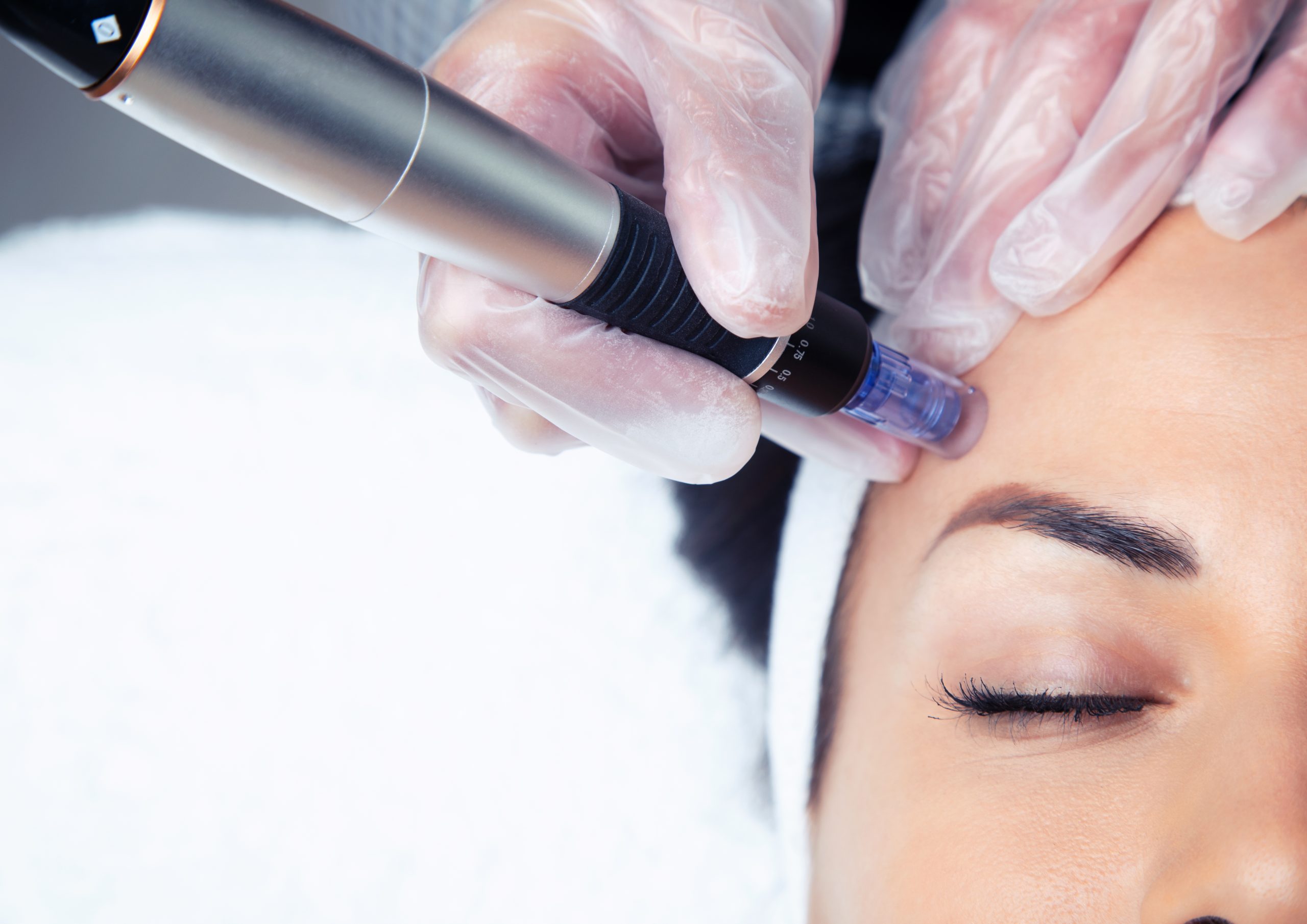
Microneedling Results That Make the Treatment Worth It
It’s hard not to feel skeptical when you see 'perfect' microneedling results that look nothing like real life. Social media loves a dramatic before and after: poreless, glassy, zero-texture skin in one session. But real skin doesn’t work like a filter. And that’s usually where the doubt creeps in. Is microneedling really worth it, or am I just signing up for the hype?
At The Pimple Place, we’re much more interested in the results you feel in real life than the ones staged under perfect lighting. What we see in the clinic is less about overnight transformation and more about steady, noticeable shifts. Makeup goes on smoother. Old acne marks don’t catch the light as much. Skin feels more even, looks less tired, and you start to feel better about how it shows up day to day, not just in a carefully angled selfie.
In this blog, we’ll walk through the kinds of microneedling results you can realistically expect, session by session, so you can decide if it’s the right move for your skin. If you’re already curious, you can also take a peek at our full microneedling in Santa Monica treatment details here.
Quick Refresher: What Microneedling Actually Does
Before we talk about microneedling results, it helps to know what’s actually happening under the surface. Microneedling uses tiny, controlled needles to create micro-injuries in the skin. It sounds a little intense, but your skin reads this as, “Okay, time to repair.”
That repair process is where the magic happens. Your body starts producing more collagen and elastin, the support system that keeps skin smoother, bouncier, and more even over time.
From there, your microneedling results depend on a few key things:
- Your main concern – acne scars, fine lines, leftover texture, or “all of the above.”
- How many sessions you complete – most people need a series, not a single visit.
- What you do in between – gentle skincare, sun protection, and sticking to the plan.
Microneedling isn’t a hard reset button or a one-and-done treatment. It’s more of a gradual remodel. Changes build over weeks to months as collagen forms and the skin renews itself. The goal: realistic, steady microneedling results that actually last, not a 24-hour glow that disappears as soon as you wash your face.
What Microneedling Results Look Like Over Time

One of the most helpful ways to think about microneedling results is as a timeline. You won’t wake up the next day with brand new skin, but there is a pattern most people follow. Here’s how things typically change from the first few days to a few months in.
Days 0–7: The Immediate “My Skin Is Healing” Phase
Right after your appointment, your skin will look red and feel warm or tight. It can feel a bit like a sunburn or post-workout flush. That’s normal, your body is sending blood flow and healing cells to the area so it can start repairing.
Over the next few days, the visible redness settles down. You might notice:
- a slightly tighter or dry feeling
- some flaking or shedding in rougher areas
- skin starting to feel a little smoother to the touch
This is your skin turning over older, duller surface cells and beginning the repair process underneath. Makeup and skincare often start to behave differently too: foundation doesn’t cling as much to dry patches, and hydrating products tend to absorb more easily.
These early microneedling results are subtle, but they’re usually enough to reassure you that something is happening, even if the big changes aren’t visible yet.
Weeks 4–6: The “I Can Actually See It Now” Stage
This is when most people start noticing microneedling results in photos and side profiles, not just by feel. Collagen has had some time to build, and the skin has gone through a few renewal cycles.
Common changes around this point:
- Smoother texture – Fine, bumpy areas on the forehead, cheeks, or along the jawline look more even. Light reflects more smoothly, so small uneven patches don’t stand out as much.
- Softer-looking acne scars – Rolling and some boxcar scars can look a bit shallower and less sharply edged, especially in certain lighting. Scars usually don’t vanish, but they tend to blend in more with the surrounding skin.
- Less noticeable pores – Pores around the nose and cheeks can look less obvious as the skin around them feels firmer and more supported.
- A bit more “awake” overall – Tone can look more even, and that flat, tired look many people notice in selfies starts to ease up.
At this stage, microneedling results are still building, but they’re much easier to see, and this is often when people decide they want to stay consistent with their treatment plan.
Months 3–6+: The Long-Term Payoff
After a full series of sessions and a few more months of collagen remodeling, you start to see the bigger-picture changes. Instead of noticing just one good skin day here and there, your baseline starts to shift.
Longer-term microneedling results often look like:
- Ongoing acne scar improvement – Rolling scars and some boxcar scars can look softer and less deep over time. The skin around them looks more supported, so the contrast between scarred and unscarred areas isn’t as stark. Deeper or ice-pick scars may still need combination treatments like TCA cross or lasers, but microneedling can make a noticeable difference for many scar types.
- Fewer fine lines and more bounce – Fine lines around the eyes, mouth, and forehead can look less etched-in. Skin often appears a bit plumper and feels more elastic rather than flat or tired.
- More even tone, especially post-acne marks – Leftover redness or brown marks from old breakouts can blend more easily into the surrounding skin, especially when microneedling is paired with the right topicals and daily SPF.
- That “my skin just looks and feels better” feeling – Less roughness in harsh lighting, fewer little textural shadows, and more comfort on bare-skin or light-makeup days.
These are the microneedling results that don’t always show up as dramatic, viral-style transformations, but they change how your skin looks and how you feel in it. For most people, this steady, realistic improvement over a few months is what makes the treatment worth the commitment.
Factors That Make Microneedling Results Better (or Worse)
Not all microneedling results are created equal. The treatment itself matters, but so does what happens before and after you leave the clinic.
1. The treatment plan
Microneedling works best as a series, not a one-time experiment. Collagen builds gradually, so spacing out multiple sessions gives your skin enough time and repetition to actually remodel.
Depth and technique matter too. Going too shallow won’t do much. Going too deep in the wrong hands can cause problems. A trained provider will adjust needle depth and approach based on your skin type, concern, and treatment area so your microneedling results are effective and safe.
2. Your aftercare routine
What you do at home can support or sabotage your microneedling results. Helpful:
- Gentle cleanser
- Hydrating, barrier-friendly products
- Daily, diligent SPF (non-negotiable)
Not so helpful:
- Picking or scratching at peeling or flaking skin
- Jumping back into strong acids or retinoids too soon
- Skipping sunscreen, which increases pigment risk and slows healing
Think of it this way: microneedling does the remodel, aftercare protects the investment.
3. What you pair it with
Microneedling also plays well with other treatments. Using the right serums afterward can complement the collagen boost. For some skin concerns, like deeper scars or more stubborn pigment, it may be part of a plan that includes peels, targeted topicals, or other in-clinic treatments.
In those cases, microneedling results become the foundation: it helps rebuild structure and texture, while other treatments focus on tone, pigment, or specific scar types.
Who Sees the Best Microneedling Results (and Who Might Not Be a Fit)
Microneedling results are the most satisfying when the treatment is matched to the right skin and the right goals.
Good candidates
You’re likely to see the best microneedling results if you have:
- Mild to moderate acne scarring
- Early fine lines you’d like to soften
- Rough, uneven, or “bumpy” texture
- Realistic expectations and the willingness to commit to a series of sessions
If you’re okay with gradual improvement rather than an overnight transformation, microneedling can be a strong, skin-supportive option.
When microneedling might not be right
There are situations where microneedling isn’t the best move, or at least not the first step. For example:
- Very active, inflamed, or cystic breakouts
- Certain medical or skin conditions that make your skin more reactive or slow to heal
- Very deep scars or more complex pigment concerns that may respond better to lasers, peels, or other targeted treatments
In those cases, we’ll usually treat or calm what’s happening first, then decide whether microneedling fits into your plan. The safest way to know if you’re a good candidate is to let a provider look at your skin in real life and map out what kind of microneedling results you can realistically expect.
Microneedling FAQ
How long does it take to see results from microneedling?
Most people notice early microneedling results, like smoother feel and better makeup days, within 1–2 weeks. The bigger changes in scars, texture, and fine lines usually show up after 4–6 weeks and continue to build over a series of treatments and a few skin cycles.
What can I expect after microneedling?
Right after treatment, expect redness, warmth, and a tight, sunburn-like feeling. Over the next few days, that settles into mild dryness or flaking, then smoother-feeling skin. With good aftercare, these short-term microneedling results give way to more visible improvements in the weeks that follow.
What happens in a microneedling treatment?
We cleanse your skin, apply a numbing cream, then use a professional microneedling device to create controlled micro-channels at the right depth for your skin and concerns. The appointment usually takes under an hour, and you leave with aftercare instructions to protect and support your microneedling results.
What are the risks of microneedling?
Common temporary side effects include redness, swelling, and mild sensitivity. When done properly, serious complications are rare, but there is always a small risk of infection, pigment changes, or irritation, especially if at-home devices are used incorrectly. Seeing a trained provider, using clean equipment, and following aftercare are key to safe microneedling results.
How often should I get microneedling?
Most treatment plans space sessions about 4–6 weeks apart to give your skin time to heal and build collagen. For acne scars or more textured skin, you may need a series of 3–6+ visits to see the full microneedling results you’re hoping for.
How long does peeling last after microneedling?
If you peel or flake, it’s usually mild and lasts a few days. Not everyone peels visibly, and that doesn’t mean your microneedling results will be better or worse, it’s just how your skin chooses to shed those older surface cells.
When can I wear makeup after microneedling?
Most patients are advised to avoid makeup for at least 24 hours so the skin can start healing without extra irritation or bacteria. After that, gentle, non-comedogenic products are best while your microneedling results are still developing.
What should you avoid before and after microneedling?
Before treatment, we usually recommend pausing strong actives like retinoids and acids for a few days. After microneedling, avoid scrubs, harsh exfoliants, hot yoga/saunas, and unprotected sun exposure. No picking, no at-home needling on top, and lots of SPF, to keep your microneedling results on track.
How We Approach Microneedling Results at The Pimple Place
At The Pimple Place, we don’t start with a device, we start with your skin story, especially if acne has been the main character for a while. Our approach to microneedling results is simple: be honest about what it can do, be clear about what it can’t, and build a plan that actually fits your skin, not just the trend of the moment.
We look at your acne history, scars, current breakouts, texture, and tone before we even talk about how many sessions you might need. Sometimes microneedling is the star of the show. Other times, it works best as part of a bigger plan that includes acne control, pigment support, or other treatments. The goal is always the same: steady, realistic microneedling results that make your everyday skin feel easier to live in.
From there, we map out your treatment timeline, aftercare routine, and what to expect at each stage, so you’re not guessing in between visits or wondering if it’s “working.”
Curious what microneedling results your skin could get? Book a consultation at The Pimple Place and we’ll build a plan that makes sense for you.